Manufacturers
Manufacturers: A Practical Guide to Licensing Historical Business Data for AI
AI-assisted educational guide with automated source checks. FirmSignal is independent of Mode and may earn a referral fee if you complete a qualifying transaction through our link. Eligibility, valuation, terms and data handling are determined by the buyer.

Manufacturers can unlock new revenue streams by licensing their historical business data for AI. This data, which includes quality control, procurement, maintenance logs, and production planning records, can be valuable for training AI models. However, before licensing this data, manufacturers must ensure they have the right to do so and that they are protecting sensitive information. In this guide, we will explore the opportunity, what makes operational context useful, and a concrete first assessment for manufacturers looking to license their historical business data for AI. [1]
What Makes Operational Context Useful
Operational context is useful because it provides a detailed understanding of how a business operates. This context can include information about quality control processes, procurement procedures, maintenance schedules, and production planning. By analyzing this data, AI models can learn to identify patterns and make predictions about future outcomes. For example, an AI model trained on historical maintenance logs can predict when equipment is likely to fail, allowing manufacturers to schedule maintenance and reduce downtime.
- Identify the types of operational data you have
- Determine the format and quality of the data
- Assess the potential value of the data for AI training
Concrete First Assessment
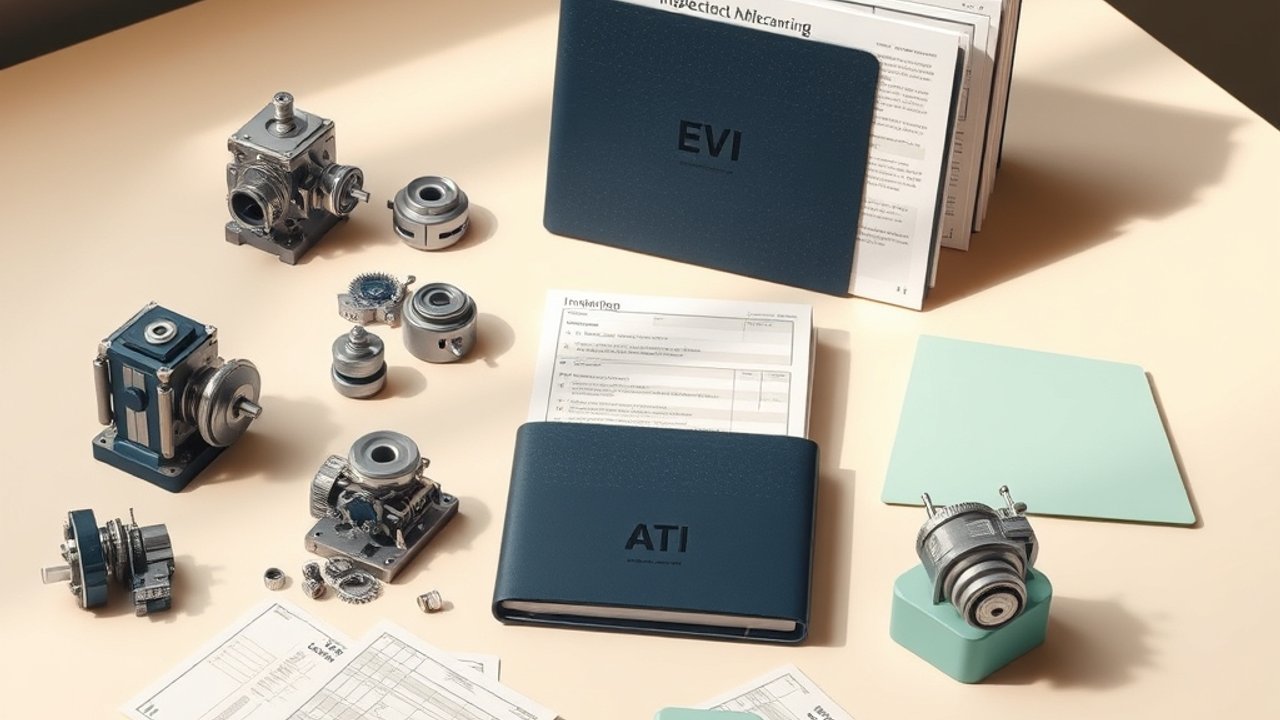
To conduct a concrete first assessment, manufacturers should start by identifying the types of operational data they have and determining the format and quality of the data. They should also assess the potential value of the data for AI training and consider any potential risks or challenges associated with licensing the data. A hypothetical example of a manufacturer's inventory of operational data might include: quality control records from 2020-2022, procurement records from 2018-2020, maintenance logs from 2015-2018, and production planning records from 2012-2015. The manufacturer should consider the system used to collect and store the data, the date coverage, the internal owner of the data, and any useful workflow context or exclusions.
- Identify the types of operational data you have
- Determine the format and quality of the data
- Assess the potential value of the data for AI training
- Consider potential risks or challenges
Preparing for Licensing
Before licensing their historical business data for AI, manufacturers must ensure they have the right to do so. This includes reviewing client confidentiality agreements, privilege, personal information, contracts, and third-party rights. Manufacturers should also consider removing any sensitive information, such as employee names or customer identifying information, to protect privacy. However, name removal alone is not proof of anonymity, and manufacturers should take additional steps to ensure the data is properly de-identified. [2]
- Review client confidentiality agreements
- Consider removing sensitive information
- Ensure proper de-identification of the data
Questions to Ask a Buyer
When licensing historical business data for AI, manufacturers should ask the buyer several questions to ensure they understand the terms of the agreement. These questions might include: What types of data are being requested? How will the data be used? What measures will be taken to protect sensitive information? What is the payment structure for the data? What are the terms of the agreement, including any exclusivity or territorial restrictions?
- Ask about the types of data being requested
- Ask about the intended use of the data
- Ask about measures to protect sensitive information
- Ask about the payment structure and terms of the agreement
Uncertainty and Suitability
There may be uncertainty about the suitability of historical business data for AI training, and manufacturers should carefully consider the potential risks and challenges associated with licensing their data. This includes ensuring they have the right to license the data, protecting sensitive information, and complying with relevant laws and regulations. Manufacturers should also consider the potential benefits of licensing their data, including the potential revenue streams and the opportunity to contribute to the development of AI models.
- Consider potential risks and challenges
- Ensure compliance with relevant laws and regulations
- Consider potential benefits of licensing the data
Frequently asked questions
What types of operational data are most valuable for AI training?
The most valuable types of operational data for AI training will depend on the specific use case and the goals of the AI model. However, common types of operational data that are valuable for AI training include quality control records, procurement records, maintenance logs, and production planning records.
How can manufacturers ensure they are protecting sensitive information when licensing their historical business data for AI?
Manufacturers can ensure they are protecting sensitive information by removing any sensitive information, such as employee names or customer identifying information, and taking additional steps to ensure the data is properly de-identified. They should also consider implementing robust security measures, such as encryption and access controls, to protect the data during transmission and storage.
What are the potential benefits of licensing historical business data for AI?
The potential benefits of licensing historical business data for AI include the potential revenue streams and the opportunity to contribute to the development of AI models. Additionally, licensing historical business data for AI can help manufacturers to improve their operations and make more informed decisions by leveraging the insights and predictions generated by AI models trained on their data.
Sources and further reading
Program criteria can change. Confirm current eligibility and written terms with the buyer. Hypothetical examples illustrate preparation and are not actual transactions.